Hachiko the Dog Who Waited Ten Years at a Station
Ad Code Here

Hachiko the dog waited for his owner at Shibuya Station every single day for nearly ten years. He did not know his friend was never coming back, but he stayed at his post anyway. This story of a golden-brown Akita is the most famous example of loyalty in history.
Every evening at precisely the time the train arrived, Hachiko would appear at the station exit. He was waiting for Professor Hidesaburo Ueno, a man who had become his entire world. Even after the professor died suddenly at work, the dog refused to give up hope. He became a fixture of the city, a living ghost of a friendship that would not end.
Who was Hachiko and why did he wait?
The story began in 1924 in Odate, Japan. Hachiko was born on a farm and was soon sent to live with Hidesaburo Ueno, who taught at Tokyo Imperial University. Ueno had wanted a purebred Akita for a long time. When the puppy arrived, he was weak and small, so the professor took extra care to nurse him back to health. They became very close, very fast. Every morning, the two walked together from their home to Shibuya Station. The professor would board the train for work, and Hachiko would watch him leave. Then, the dog would go home, only to return to the station in the late afternoon. He knew exactly when the train would pull in.
Imagine the scene in old Tokyo. The steam from the trains filled the air. People in suits and kimonos rushed past. In the middle of the crowd sat one quiet dog with pointed ears. He didn't bark at strangers or beg for food. He just watched the ticket gate. For about a year, this was their perfect routine. It was a simple life built on a simple promise: I will see you at the end of the day. You can find more stories about dogs and their bond with people on our main page. It shows how animals think much like we do.
Then, on May 21, 1925, everything changed. Professor Ueno was giving a lecture at the university when he suffered a brain hemorrhage. He died instantly. He never made it to the train. He never made it back to Shibuya. That evening, Hachiko sat in his usual spot. He watched the passengers climb off the train. He looked for the familiar face of his friend. The sun went down, the station grew quiet, but the professor did not appear. Hachiko stayed until the last train had passed, then finally walked away, confused and alone.
What happened during those ten years at Shibuya Station?
Hachiko did not stop coming. The next day, he was back at the station at the same time. The day after that, he was there again. The professor's family tried to give the dog away to relatives who lived miles away. It didn't matter. Hachiko would run away from his new home and walk all the way back to Shibuya. He lived on the streets near the station, sleeping under old train cars or in doorways. He survived on scraps given to him by local shopkeepers and workers. Many people saw him as a nuisance at first. They didn't understand why this stray dog was always underfoot at the busy exit.
The station was a loud, scary place for a dog on his own. Kids would tease him, and some people even poured water on him to make him move. But Hachiko was stubborn. He had a job to do. He believed if he just waited long enough, his friend would step off that train. This is a classic human-interest story that captures the heart because we all want to be loved that much. Over time, the people who worked at the station started to notice him. They realized he wasn't just a stray. They saw he only came when the evening train arrived. They began to bring him treats and sit with him. He became the station's unofficial mascot.
In 1932, a former student of the professor recognized Hachiko. He was shocked to see the dog still waiting seven years after Ueno had died. The student wrote an article for a major Japanese newspaper. He explained the dog's history and why he was sitting there every day. Overnight, Hachiko became a national hero. People from all over Japan traveled to Shibuya just to see him. They would pet him and give him food. He was no longer a lonely stray; he was the soul of the city. While this story is about a dog, it reminds me of The Girl Who Fell 2 Miles From a Plane and Survived because both show how much a living being can endure when they have a reason to keep going.
How did the world react to the loyal dog?
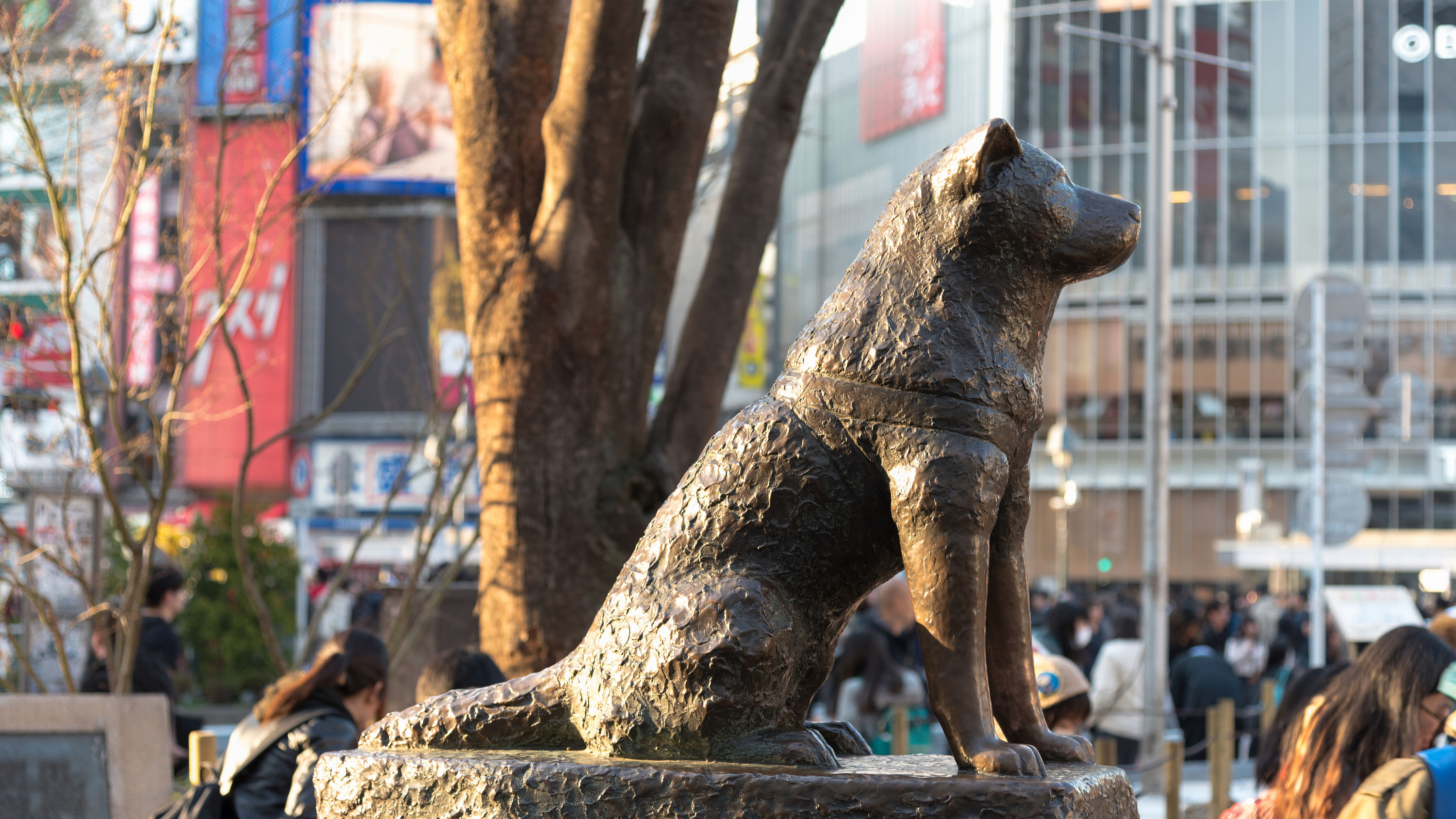
The fame did not change Hachiko. He didn't care about the news or the people taking his photo. He only cared about the gate. Even as he grew old and his body started to fail, he made the trip to the station. His ears began to droop, and he moved more slowly. He developed heartworms and other health problems from living outdoors for so long. Yet, every afternoon, like clockwork, he was there. His loyalty was so moving that the people of Tokyo decided to honor him while he was still alive. They raised money to build a bronze statue of him right at the spot where he waited.
Hachiko was actually present for the unveiling of his own statue in 1934. Can you imagine that? A dog sitting next to a metal version of himself. It is a rare moment in history. Even after the statue was built, he kept his vigil. He spent his final months sleeping near the base of the statue. He was waiting for a man who had been dead for a decade. By this point, the entire country was following his story. He represented the best of what people wanted to be: loyal, steady, and true. He showed that love does not have an expiration date.
This kind of devotion is something we rarely see. It is why people still talk about him today. You can read more details about famous animals on our site to see how they impact our lives. Hachiko's story became a part of the city's identity. He wasn't just a dog anymore; he was a symbol. The station workers would make sure he had a warm place to tuck in during the cold winter nights. They looked after him because they knew he was looking for someone they all missed.
What is the legacy of Hachiko today?
Hachiko finally passed away on March 8, 1935. He was found on a street near the station. He had waited for 9 years, 9 months, and 15 days. When the news broke, the city went into mourning. People came to the station to leave flowers and treats at his statue. His death was front-page news. It felt like the end of an era. The professor's wife, who had moved away years before, came back to pay her respects. The dog and his owner were finally reunited, in a way, through the memories of the people who loved them.
During World War II, the original bronze statue was melted down for metal to help the war effort. But the people did not forget. As soon as the war was over, they built a new one. Today, the Hachiko exit at Shibuya Station is one of the busiest meeting spots in the world. Thousands of people stand near the dog every day, waiting for their friends or family. It is the perfect place for a meeting because it is a place built on the idea of waiting for someone you love. If you ever visit Tokyo, you will see people taking photos with the statue and rubbing its paws for good luck.
Hachiko's story has been told in books and movies all over the world. It reminds us that the bond between a person and a pet is deep. It isn't just about food or shelter. It is about a connection that stays strong even when one side is gone. His story is a great example of oral history, as it was passed down by the people of Shibuya before it was ever written in books. We tell these stories to remind ourselves that being loyal is one of the best things a person, or a dog, can be. Like the story of The Girl Who Fell 2 Miles From a Plane and Survived, it shows that the spirit is hard to break.
Why do we still love this story after a hundred years?
I think we love Hachiko because we all want someone to wait for us. We want to know that we matter enough to be missed. The world moves very fast. People come and go. Trends change. Buildings are torn down and rebuilt. But Hachiko stayed the same. In a world of change, he was the one thing people could count on. He sat in the same spot, looked at the same gate, and had the same hope every single day. That kind of focus is beautiful. It is also a bit sad, but the sadness makes the love feel more real.
There is another statue of Hachiko at the University of Tokyo. This one shows the moment the dog and the professor are finally reunited. It shows the professor coming home and Hachiko jumping up to greet him. It is the happy ending that the dog waited ten years for. When you see it, you can't help but smile. It feels like the story is finally finished. It reminds us that even if we don't get the ending we want in real life, the love we give along the way is never wasted. Hachiko spent his life waiting, but in doing so, he taught millions of people how to love.
Think about your own life for a second. Is there someone you would wait for? Do you have a pet that waits by the door for you? These small moments of loyalty are what make life worth living. We should all try to be a bit more like Hachiko. We should show up for the people we care about, even when it is hard, and even when the weather is bad. The next time you are at a train station or a bus stop, take a look around. Maybe there is someone there waiting with a heart as big as Hachiko's. What do you think is the most loyal thing a pet has ever done for you?
0 Response to "Hachiko the Dog Who Waited Ten Years at a Station"
Post a Comment